5 Daily Habits Destroying your Ford’s 10-Speed (and the Simple Fixes That Save You Thousands)
You paid a premium for a Ford F-150, Ranger, or Explorer because of the legendary 10-speed transmission. It’s marketed as the peak of modern engineering: lightning-fast shifts, serious towing capability, and better fuel economy than what came before.
Some dealerships are packed with trucks needing transmission work. The 10-speed isn’t simply failing… it’s being worn out early by a handful of everyday driving habits that feel totally normal.
Here are the five biggest habits that shorten the life of the 10-speed, and what to do instead if you want to avoid a $10,000 replacement bill.
1) The Cold Start Slam (Shifting Immediately After Startup)
What people do:
You start the truck and within a few seconds you slam it into Reverse or Drive and touch the gas.
Why it hurts the transmission:
When transmission fluid is cold, it’s thicker and doesn’t flow as quickly. The 10-speed relies on precise hydraulic pressure through small passages to engage clutch packs smoothly. If you shift immediately, you’re forcing engagement before pressure stabilizes, causing clutches to slam together instead of easing in.
Over time, that repeated shock can scar the valve body and contribute to harsh shifting and gear hunting.
Do this instead:
• Let the truck idle 30–60 seconds before shifting.
• If it’s below freezing, idle closer to 2 minutes.
That tiny pause helps circulate fluid, stabilize pressure, and reduce internal shock.
2) Shifting While Rolling (The “Lazy Reverse”)
What people do:
Backing out of a parking spot, still rolling slightly backward, then shifting into Drive before fully stopping.
Why it hurts the transmission:
In older transmissions you could get away with it. In the 10-speed, you’re effectively using the internal clutch packs as brakes.
That creates an instant spike of heat, glazing the friction material. Once glazed, clutches begin to slip. Then the computer compensates by increasing line pressure, which generates even more heat — a cycle that can end with fault lights and loss of movement.
Do this instead:
• Come to a complete dead stop before shifting from Reverse to Drive (or Drive to Reverse).
• Use your brakes — brakes are cheap; transmission clutches are not.
3) Lugging in Normal Mode (Low RPM + Heavy Load)
What people do:
Driving in Normal mode while hauling tools, towing, or driving hilly terrain — while the truck tries to stay in the highest gear possible to save fuel.
Why it hurts the transmission:
Normal mode is programmed to hit high gears quickly (for fuel economy). But under load, staying in 10th gear at low RPM creates a problem:
• More torque demand on overdrive clutches
• Lower pump speed at low RPM
• Lower oil pressure to hold clutches tight
• More chance of clutch slip and shudder
That “vibration” or “struggle” you feel at low RPM is often the clutches fighting to maintain grip.
Do this instead:
• If you feel lugging or vibration, manually downshift.
• Or switch to Sport mode (or Tow/Haul when appropriate) to keep RPM higher and oil pressure stronger.
4) Believing the “Lifetime Fluid” Myth
What people do:
Follow the manual’s idea that transmission fluid is “lifetime” or doesn’t need changing until 240,000 km.
Why it hurts the transmission:
The 10-speed is a high-heat, high-friction environment with more moving parts and friction surfaces than older transmissions.
• By 80,000–100,000 km, fluid can already be breaking down.
• Friction modifiers wear out (the stuff that helps clutches grab properly).
• Break-in produces fine metal debris that circulates in fluid and can wear sensitive components.
Waiting too long doesn’t mean you’ll “change the fluid”… it may mean you’re replacing the transmission.
Do this instead:
• Change transmission fluid and filter every 60,000–100,000 km.
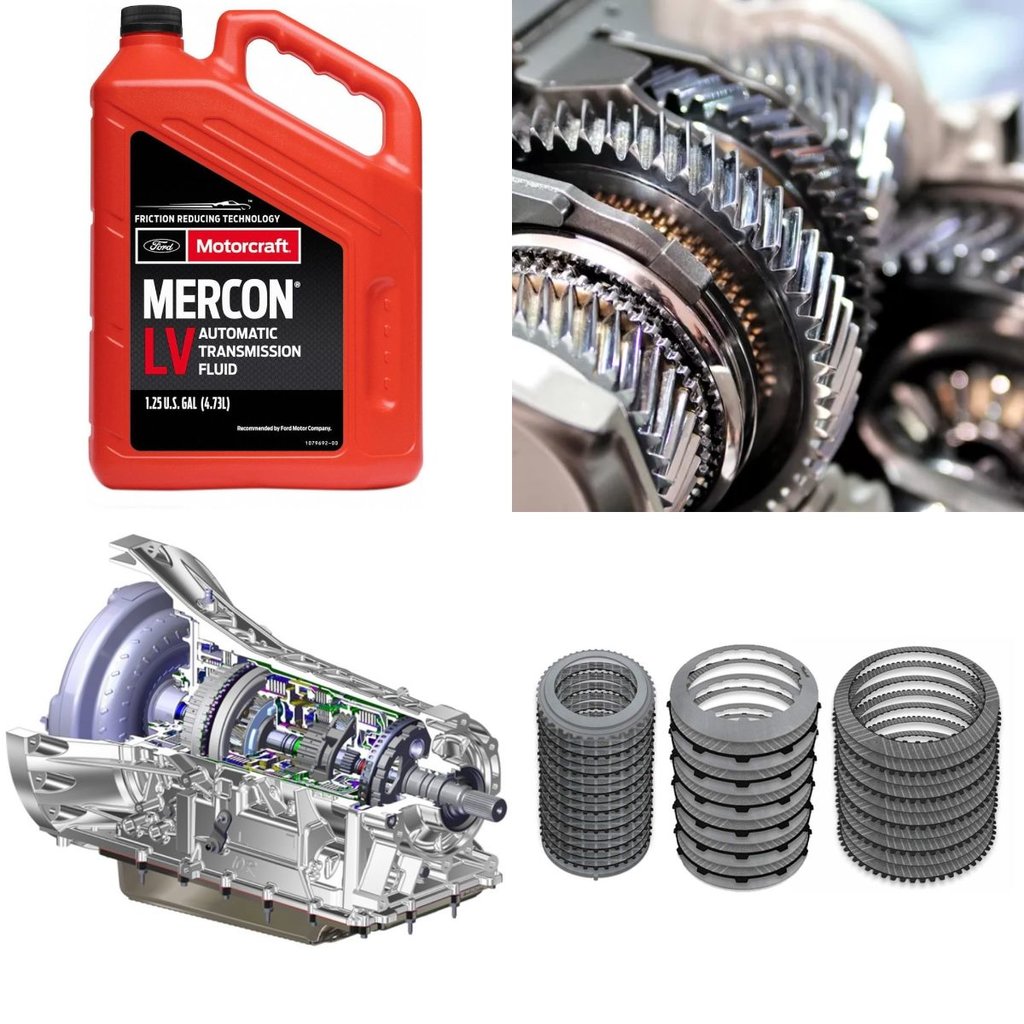
• Use the correct spec fluid: Mercon ULV
(Always confirm the exact spec for your model/year, but the key point is: don’t treat it as lifetime fluid.)
5) Relying on Adaptive Learning Without Resetting It
What people do:
Ignore odd shifting because “the truck will learn,” especially after buying used or after changing driving conditions.
Why it hurts the transmission:
The transmission uses adaptive learning to adjust shift timing based on driving habits. But if the habits change (or you bought the truck used), the system can “expect” one style of shifting and you’re giving it another — causing:
• RPM flare between gears
• Harsh engagements
• Clunks and slams
Each flare or slam chips away at clutch life.
Do this instead:
If shifting becomes inconsistent or weird:
• Have a us at the shop reset the adaptive learning.
This reset can sometimes solve shifting issues and prevent bigger damage.
Final Takeaway: Treat It Like a Precision Instrument
The Ford 10-speed can be strong and long-lasting — but it’s not an old 1985 transmission you can abuse and ignore. If you adopt these five habits:
• Warm it up for 60 seconds
• Stop fully before shifting
• Downshift/use Sport or Tow/Haul under load
• Change fluid every 80,000–100,000 km
• Reset adaptive learning when it starts acting up
…you dramatically improve your odds of getting 300,000 km+ out of it.
For more information get in touch with us for a free consultation and explication of your vehicle maintenances.