As temperatures plunge, drivers reminded to protect vehicles in extreme cold
As temperatures plunge, drivers are being reminded that winter weather doesn’t just test people, it puts serious strain on vehicles too.
“When cars are sitting outside overnight, they’re pretty stiff in the morning, they are designed to withstand these temperatures, but it’s pretty tough on cars at these temperatures.”
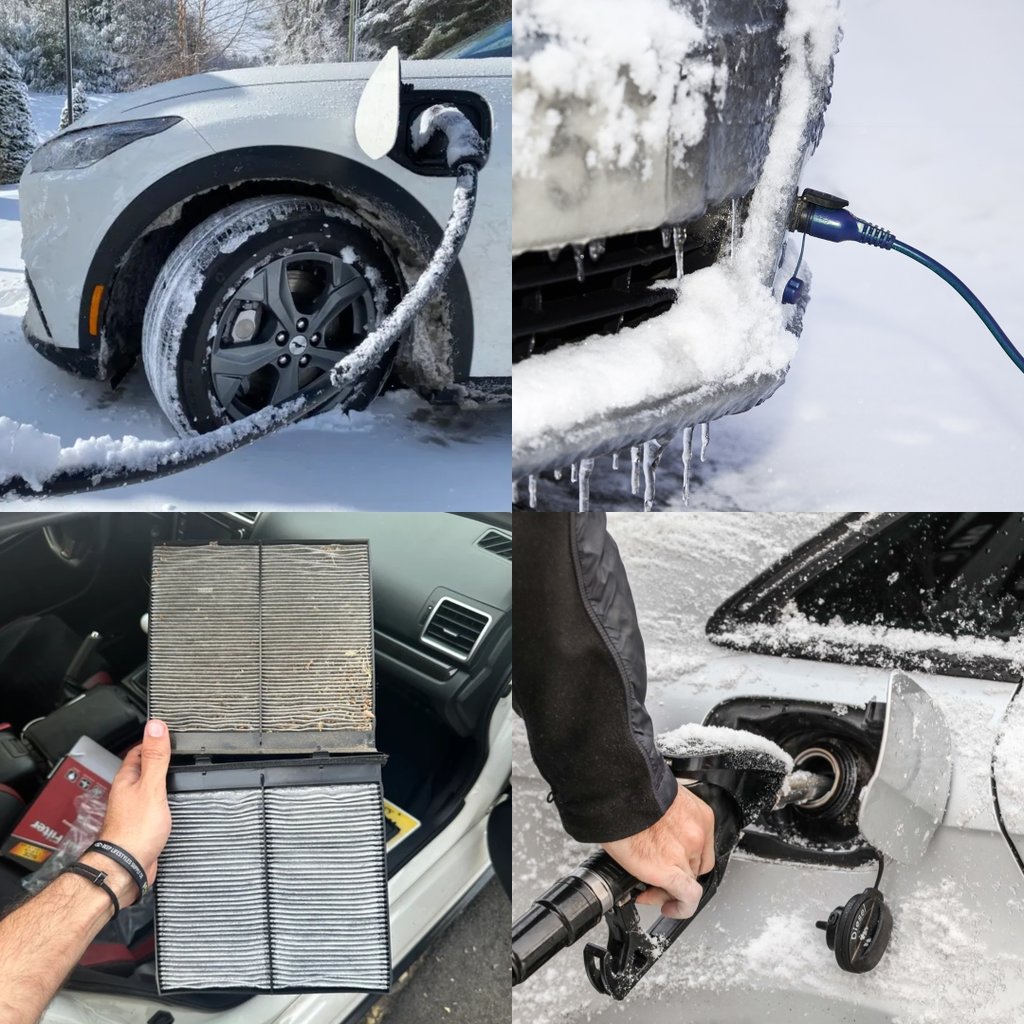
Keep the Gas Tank Full
One of the most basic and important winter driving tips is keeping the gas tank topped up.
“A full gas tank is always a good idea for winter because you don’t know how long you might get stranded somewhere. If the gas tank is full, at least you have an opportunity to hopefully keep the car running and stay warm until help can come your way.”
Once a vehicle is turned off in extreme cold, interior temperatures can drop quickly, making fuel a critical safety consideration.
Plugging In Makes a Difference
In very cold conditions, plugging in a vehicle can significantly improve starting performance and reduce engine wear.
“When you’re plugging in the block heater, it’s basically an element that is warming the antifreeze inside the car. When the antifreeze is warm, then the whole engine has some warmth to it. It’s going to crank over quite a bit easier.”
Warmer oil flows more easily, meaning critical engine components receive lubrication faster during startup.
Plugging in becomes especially important once temperatures drop below -20°C.
“Once we start getting below minus 20, that’s where things start getting tough. And at minus 30 is where things really get tough out there.”
Drivers are also reminded to check their block heater cords if they accidentally drive away while still plugged in.
“If you see any sort of damage with fraying or a broken connection, you'll want to make sure to get it replaced. Risk of fire is definitely there.”
Battery Health Is Critical
Cold weather dramatically reduces battery performance, making battery condition just as important as plugging in.
“If your battery is fully charged, that engine is going to crank over at full speed and have a better chance of firing up. If that battery is run down and that engine is going to crank slowly, it might have a hard time firing up.”
Repeated slow starts can flood the engine with fuel, making the situation worse.
Clearing Foggy Windows the Right Way
Foggy windshields are another common winter frustration, and many drivers unknowingly make the problem worse.
“Defrost is what you want to be using. You do want to have warm air blowing at it.”
Drivers may notice their air conditioning system activates while defrosting, even in winter, and that’s intentional.
“What that’s doing is extracting moisture from the air, and that does aid in defogging the windshield. If you see the AC light on, don’t turn it off.”
Don’t Forget the Cabin Air Filter
Another overlooked contributor to foggy windows is a clogged cabin air filter.
“If they’re plugged, you won’t get proper airflow coming into the car. Then you could have more difficulty keeping [the windows] clean.”
Cabin air filters should generally be replaced every one to two years.
Avoid Recirculating Air in Winter
While recirculating air can be useful in summer, it causes problems in winter.
“As soon as we start recirculating inside air, those windows are going to start fogging up right away. For winter driving, you want to keep it on fresh air all the time.”
What About Hybrids and Electric Vehicles?
Hybrid vehicles behave much like traditional gas-powered cars in winter and often still benefit from block heaters.
For fully electric vehicles, the concerns are slightly different.
“We still want to have a full battery. If you get stranded somewhere, you can have heat for a while. That’s just like keeping your gas tank fuller in winter.”
Battery Tenders Growing in Popularity
Modern vehicles draw power even when parked, leading to more cases of dead batteries. As a result, battery tenders, small trickle chargers, are becoming more common.
“We are now seeing more and more people adding these battery tenders to their car as a preventative measure. They can plug it in occasionally and reduce the risk of a dead battery.”